- English
- Español
- Português
- русский
- Français
- 日本語
- Deutsch
- tiếng Việt
- Italiano
- Nederlands
- ภาษาไทย
- Polski
- 한국어
- Svenska
- magyar
- Malay
- বাংলা ভাষার
- Dansk
- Suomi
- हिन्दी
- Pilipino
- Türkçe
- Gaeilge
- العربية
- Indonesia
- Norsk
- تمل
- český
- ελληνικά
- український
- Javanese
- فارسی
- தமிழ்
- తెలుగు
- नेपाली
- Burmese
- български
- ລາວ
- Latine
- Қазақша
- Euskal
- Azərbaycan
- Slovenský jazyk
- Македонски
- Lietuvos
- Eesti Keel
- Română
- Slovenski

Why Is a Spiral Point Tap the Ideal Solution for High-Speed and Precision Threading Applications
Abstract: A Spiral Point Tap is a high-performance threading tool designed for efficient chip evacuation and stable thread production, especially in through-hole machining. NERES provides precision-engineered Spiral Point Tap solutions for manufacturers requiring excellent accuracy, durability, and productivity. This article explains the working principle, advantages, applications, and selection considerations of Spiral Point Taps to help machining professionals improve production efficiency.
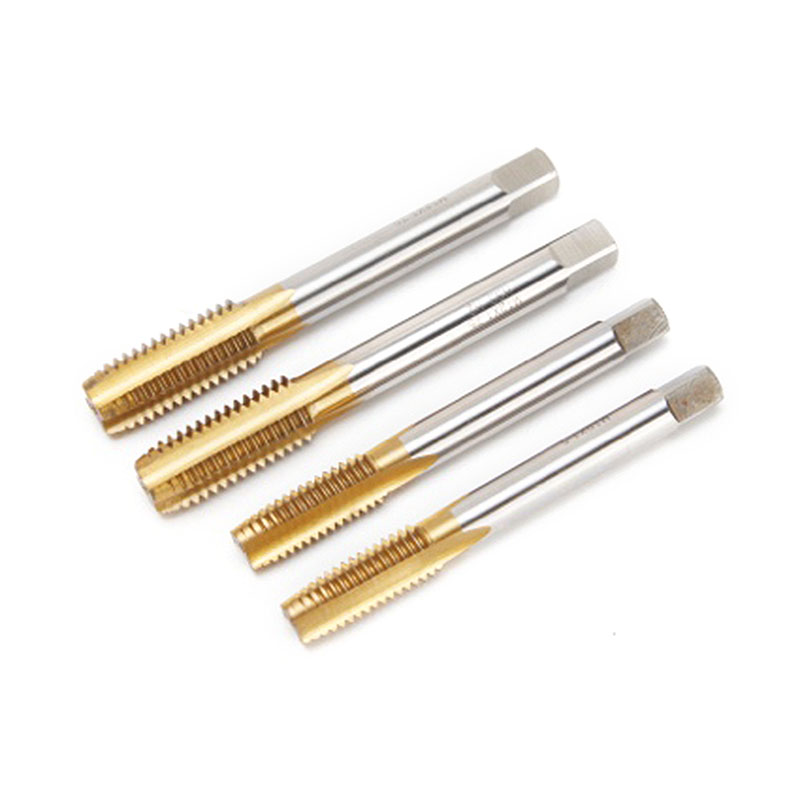
Table of Contents
- What Is a Spiral Point Tap?
- How Does a Spiral Point Tap Work?
- Key Advantages of Using Spiral Point Tap
- Technical Specifications and Material Options
- Industrial Applications of Spiral Point Tap
- How to Choose the Right Spiral Point Tap?
- Frequently Asked Questions About Spiral Point Tap
- Conclusion
What Is a Spiral Point Tap?
A Spiral Point Tap is a specialized cutting tool used for creating internal threads in through holes. Unlike conventional straight flute taps, this type of tap features a unique angled cutting face that pushes chips forward and out of the hole during machining. This design significantly reduces chip accumulation, improves thread quality, and supports faster tapping operations.
NERES manufactures high-quality Spiral Point Tap solutions that are widely used in precision machining industries. With optimized cutting geometry and reliable material selection, these taps are designed to provide consistent performance when processing steel, stainless steel, aluminum alloys, and other industrial materials.
Also known as gun taps, Spiral Point Taps are particularly suitable for CNC machining environments where productivity and thread accuracy are critical. Their special point geometry allows continuous chip movement through the hole, making them an excellent choice for high-volume manufacturing applications.
How Does a Spiral Point Tap Work?
The working principle of a Spiral Point Tap is based on its angled cutting edge design. During the tapping process, the cutting edges remove material while the spiral point pushes chips forward through the bottom of the through hole instead of allowing them to collect inside the flute area.
This chip evacuation method provides several machining benefits:
- Prevents chip clogging and tool breakage.
- Improves machining stability during high-speed operations.
- Reduces downtime caused by manual chip removal.
- Produces cleaner and more accurate internal threads.
Compared with spiral flute taps, Spiral Point Taps are mainly designed for through-hole applications because chips are efficiently discharged ahead of the tool. This makes them especially valuable in automated production lines and CNC machining centers.
Key Advantages of Using Spiral Point Tap
Selecting the right threading tool directly influences machining efficiency, product quality, and manufacturing costs. Spiral Point Tap technology offers multiple advantages for industrial users.
| Feature | Benefit |
|---|---|
| Advanced Chip Evacuation Design | Pushes chips forward to avoid blockage and improve tapping reliability. |
| High-Speed Machining Capability | Supports efficient CNC operations and reduces production cycle time. |
| Stable Thread Accuracy | Maintains consistent thread dimensions and surface quality. |
| Long Tool Service Life | Optimized cutting geometry reduces wear during continuous machining. |
| Wide Material Compatibility | Suitable for carbon steel, alloy steel, stainless steel, and non-ferrous metals. |
According to different manufacturing requirements, Spiral Point Taps can be produced with various materials and coatings, including high-speed steel (HSS), cobalt alloy options, TiN coating, and other surface treatments. These improvements enhance hardness, heat resistance, and overall durability.
Technical Specifications and Material Options
A professional Spiral Point Tap should be selected according to thread size, machining material, hole type, and production requirements. Common specifications include metric threads, unified threads, different tolerance grades, flute numbers, and coating choices.
| Parameter | Typical Options | Description |
|---|---|---|
| Tap Type | Spiral Point (Gun Tap) | Designed mainly for through-hole threading. |
| Material | HSS / HSS-Co | Provides strength and wear resistance for industrial machining. |
| Thread Range | M2-M24 and customized sizes | Available for various industrial thread requirements. |
| Coating | TiN, TiAlN, Black Oxide | Improves hardness and extends tool life. |
| Application | Steel, stainless steel, aluminum alloys | Suitable for multiple manufacturing industries. |
Different Spiral Point Tap designs are developed according to machining conditions. For example, taps used for stainless steel require higher wear resistance and heat control, while aluminum applications may focus more on smooth chip flow and surface finish.
Industrial Applications of Spiral Point Tap
Due to its excellent chip control capability and high machining efficiency, the Spiral Point Tap has become an essential threading tool in many industries. It is widely applied in sectors where precision threads, stable production, and reduced machining time are required.
- Automotive Manufacturing: Spiral Point Taps are used for engine components, transmission parts, brake systems, and other automotive metal components requiring accurate internal threads.
- Aerospace Industry: High-strength materials used in aerospace production require reliable threading tools. Spiral Point Tap solutions provide stable cutting performance for aluminum alloys, titanium alloys, and other advanced materials.
- Machinery and Equipment Manufacturing: Industrial machinery components often involve large quantities of threaded holes. These taps help manufacturers improve efficiency while maintaining consistent thread quality.
- Electronic Equipment Production: Precision components require clean and accurate threads. Spiral Point Taps support high-quality machining for small and medium-sized metal parts.
- Mold and Die Manufacturing: The tool’s excellent stability makes it suitable for producing complex molds and precision mechanical structures.
In modern CNC machining environments, manufacturers increasingly choose Spiral Point Tap technology because it supports automated production, reduces operator intervention, and improves overall manufacturing efficiency.
How to Choose the Right Spiral Point Tap?
Choosing an appropriate Spiral Point Tap requires consideration of multiple machining factors. The wrong selection may lead to poor thread quality, excessive tool wear, or unexpected production costs.
The following factors should be evaluated before purchasing:
| Selection Factor | Why It Matters |
|---|---|
| Workpiece Material | Different materials require different cutting hardness and coating performance. |
| Thread Specification | The correct size and tolerance ensure accurate thread formation. |
| Machine Capability | CNC speed, torque, and stability influence tapping performance. |
| Production Volume | High-volume production may require premium coatings and longer tool life. |
| Cooling Method | Proper lubrication improves cutting efficiency and prevents overheating. |
For high-speed production environments, users should prioritize Spiral Point Taps with advanced coatings and optimized geometries. For general machining applications, standard HSS options can provide an economical and reliable solution.
A professional supplier can also help customers select the most suitable tap structure according to machining requirements, including thread standards, materials, cutting parameters, and application conditions.
Spiral Point Tap vs Other Types of Taps
Although different types of taps are available in the market, each design serves specific machining purposes. Understanding their differences helps manufacturers select the most effective solution.
| Tap Type | Main Feature | Recommended Application |
|---|---|---|
| Spiral Point Tap | Pushes chips forward during cutting | Through holes and high-speed CNC machining |
| Spiral Flute Tap | Pulls chips upward through spiral flutes | Blind holes with difficult chip removal |
| Straight Flute Tap | Traditional straight cutting design | General-purpose tapping applications |
| Forming Tap | Creates threads through material displacement | Ductile materials requiring strong threads |
Among these options, Spiral Point Tap products provide an excellent balance between speed, accuracy, and reliability, making them one of the preferred choices for industrial through-hole threading.
How to Improve the Service Life of Spiral Point Tap?
Proper operation and maintenance are essential for maximizing Spiral Point Tap performance. Even high-quality tools require correct machining conditions to achieve their expected lifespan.
- Use appropriate cutting speed and feed rate according to material characteristics.
- Apply suitable cutting fluid to reduce friction and heat generation.
- Ensure the workpiece is properly fixed to prevent vibration.
- Regularly check tool wear to avoid thread defects caused by damaged cutting edges.
- Store taps in a clean and dry environment to prevent corrosion.
Following these practices can significantly extend tool durability, improve machining consistency, and reduce unnecessary replacement costs.
Frequently Asked Questions About Spiral Point Tap
What is a Spiral Point Tap mainly used for?
A Spiral Point Tap is mainly used for creating internal threads in through holes. Its special cutting point pushes chips forward, making it highly suitable for CNC machining, automated production, and high-speed threading operations.
What materials can Spiral Point Taps machine?
Spiral Point Taps can be used for various materials, including carbon steel, alloy steel, stainless steel, copper, aluminum alloys, and other metal materials. The correct tap material and coating should be selected according to the workpiece.
What is the difference between a Spiral Point Tap and a Spiral Flute Tap?
The main difference is chip direction. A Spiral Point Tap pushes chips forward and is mainly designed for through holes, while a Spiral Flute Tap pulls chips upward and is commonly used for blind holes.
How can I choose a reliable Spiral Point Tap supplier?
A reliable supplier should provide consistent product quality, accurate specifications, professional technical support, and customized solutions according to customer machining requirements. Experienced manufacturers with advanced production capabilities can help ensure stable performance.
Conclusion
A Spiral Point Tap is an important precision threading solution that helps manufacturers achieve faster production, improved thread accuracy, and better machining stability. With its advanced chip evacuation design, excellent durability, and wide material compatibility, it has become a preferred choice for modern machining industries.
NERES continues to focus on providing reliable threading tool solutions designed for different industrial applications. Whether you require standard sizes or customized Spiral Point Tap products, professional technical support can help optimize your machining process. If you need high-quality threading tools with dependable performance, please contact us today for more product information and customized solutions.