One Pass Thread Mill technology is transforming modern CNC machining by combining high-speed thread cutting, improved accuracy, and reduced production time into a single efficient process. NERES provides advanced thread milling solutions designed for manufacturers seeking reliable performance, consistent thread quality, and cost-effective machining results. This article explains how One Pass Thread Mill works, its key advantages, applications, technical features, and why it has become an important choice for precision manufacturing.
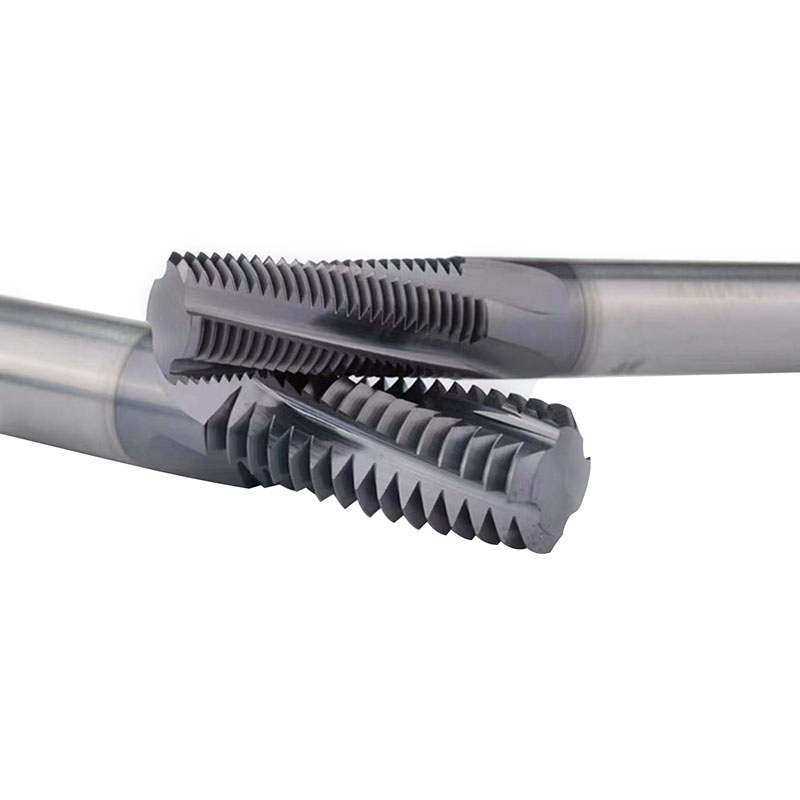
Table of Contents
- What Is One Pass Thread Mill?
- How Does One Pass Thread Mill Work?
- Key Advantages of One Pass Thread Mill Technology
- Industrial Applications of One Pass Thread Mill
- One Pass Thread Mill Compared with Traditional Threading Methods
- How to Choose the Right One Pass Thread Mill?
- Frequently Asked Questions About One Pass Thread Mill
- Conclusion
What Is One Pass Thread Mill?
A One Pass Thread Mill is a specialized cutting tool designed to complete thread machining operations in a single pass. Unlike conventional thread milling processes that often require multiple cutting cycles, this advanced tool integrates optimized cutting geometry and durable materials to achieve accurate internal and external threads efficiently.
In modern CNC machining environments, manufacturers constantly seek solutions that improve productivity while maintaining strict quality standards. One Pass Thread Mill technology addresses these challenges by reducing machining time, minimizing tool changes, and improving thread consistency for various industrial components.
With the increasing demand for high-precision parts in automotive, aerospace, medical equipment, and mold manufacturing industries, this machining solution has become an important option for companies requiring stable and repeatable thread production.
How Does One Pass Thread Mill Work?
The working principle of One Pass Thread Mill is based on advanced CNC interpolation technology. The cutting tool moves along a programmed circular path while simultaneously creating the complete thread profile in one continuous machining operation.
Compared with traditional tapping methods, thread milling provides better control over cutting forces because only a small portion of the tool engages with the material at a time. This reduces vibration, improves surface quality, and allows machining of difficult materials.
- Single-pass cutting design for faster thread production.
- Optimized flute geometry for smooth chip evacuation.
- High-strength cutting materials for extended tool life.
- Compatible with CNC machining centers for automated production.
- Suitable for various thread sizes and material types.
Key Advantages of One Pass Thread Mill Technology
The adoption of One Pass Thread Mill brings significant improvements in machining efficiency and product quality. Its advantages make it suitable for manufacturers looking to optimize production processes.
| Feature | Benefit | Industrial Value |
|---|---|---|
| Single-pass machining | Completes threading operation quickly | Reduces production cycle time |
| High precision cutting | Maintains accurate thread profiles | Improves assembly reliability |
| Strong wear resistance | Extends tool service life | Lowers replacement costs |
| Flexible CNC compatibility | Supports different machining applications | Enhances manufacturing adaptability |
1. Higher Machining Efficiency
Traditional threading processes may require multiple operations, especially when producing complex components. One Pass Thread Mill reduces unnecessary machining steps, allowing manufacturers to increase production output without sacrificing accuracy.
2. Improved Thread Quality
Precision thread geometry is essential for mechanical connections. The controlled cutting process of One Pass Thread Mill helps achieve consistent thread dimensions, excellent surface finishes, and reliable performance.
3. Reduced Manufacturing Costs
By shortening machining cycles and extending tool life, One Pass Thread Mill helps reduce labor expenses, downtime, and overall production costs.
Industrial Applications of One Pass Thread Mill
One Pass Thread Mill tools are widely used in industries where precision, durability, and efficiency are critical. Their versatility makes them suitable for machining different components and materials.
- Aerospace Manufacturing: Used for producing lightweight but high-strength threaded components.
- Automotive Industry: Applied in engine parts, transmission components, and precision assemblies.
- Medical Equipment: Supports the production of complex medical devices requiring accurate threads.
- Mold and Die Manufacturing: Provides reliable threading performance for precision molds.
- Energy Equipment: Used for industrial machinery requiring strong threaded connections.
Whether machining aluminum alloys, stainless steel, titanium, or hardened materials, One Pass Thread Mill provides manufacturers with a flexible and efficient threading solution.
One Pass Thread Mill Compared with Traditional Threading Methods
| Comparison Item | One Pass Thread Mill | Traditional Tapping |
|---|---|---|
| Machining process | Single continuous cutting operation | Usually requires multiple stages |
| Tool flexibility | Can machine various thread sizes | Each thread size often requires dedicated taps |
| Material compatibility | Suitable for difficult materials | May face limitations with hard materials |
| Risk of tool breakage | Lower due to controlled cutting forces | Higher during deep-hole threading |
How to Choose the Right One Pass Thread Mill?
Selecting the correct One Pass Thread Mill requires consideration of machining requirements, workpiece materials, and production goals. Manufacturers should evaluate several important factors:
- Determine the required thread specification and diameter.
- Analyze the hardness and characteristics of the machining material.
- Select suitable coating and cutting material for durability.
- Confirm CNC machine compatibility and cutting parameters.
- Choose a reliable supplier with proven manufacturing experience.
Working with an experienced manufacturer ensures that the selected tool delivers stable performance and long-term value in industrial production.
Frequently Asked Questions About One Pass Thread Mill
Q1: What makes One Pass Thread Mill different from standard thread milling tools?
One Pass Thread Mill is specifically designed to complete threading operations efficiently in a single machining pass. Its optimized structure improves productivity while maintaining high thread accuracy.
Q2: Can One Pass Thread Mill be used for hard materials?
Yes. Depending on the tool material and coating design, One Pass Thread Mill can be applied to challenging materials such as stainless steel, titanium alloys, and hardened metals.
Q3: Is One Pass Thread Mill suitable for CNC production lines?
Yes. These tools are developed for CNC machining centers and are suitable for automated manufacturing environments requiring consistent quality and high efficiency.
Q4: How can manufacturers improve the service life of One Pass Thread Mill?
Proper cutting parameters, suitable cooling methods, and selecting the correct tool specification can significantly extend tool lifespan and maintain machining performance.
Conclusion
One Pass Thread Mill technology represents an advanced approach to precision threading by combining speed, accuracy, and reliability into one efficient machining solution. As industries continue to demand higher productivity and better quality control, this technology provides manufacturers with a practical way to optimize CNC operations and reduce production challenges.
NERES is committed to providing professional thread milling solutions for global machining industries. If you are searching for a reliable One Pass Thread Mill supplier with advanced manufacturing capabilities and customized support, please contact us to discuss your specific requirements and discover the right threading solution for your production needs.