- English
- Español
- Português
- русский
- Français
- 日本語
- Deutsch
- tiếng Việt
- Italiano
- Nederlands
- ภาษาไทย
- Polski
- 한국어
- Svenska
- magyar
- Malay
- বাংলা ভাষার
- Dansk
- Suomi
- हिन्दी
- Pilipino
- Türkçe
- Gaeilge
- العربية
- Indonesia
- Norsk
- تمل
- český
- ελληνικά
- український
- Javanese
- فارسی
- தமிழ்
- తెలుగు
- नेपाली
- Burmese
- български
- ລາວ
- Latine
- Қазақша
- Euskal
- Azərbaycan
- Slovenský jazyk
- Македонски
- Lietuvos
- Eesti Keel
- Română
- Slovenski

Why Do Thread Rolling Machine Components Matter More Than Most Buyers Expect?
When manufacturers talk about thread quality, they often focus on the machine itself. That makes sense on the surface, but it also hides the real issue. In daily production, performance is usually decided by the condition, fit, stability, and durability of the parts working inside the system. Thread Rolling Machine Components are not minor accessories. They influence rolling accuracy, machine uptime, product consistency, maintenance cost, and how quickly a production line can recover when something goes wrong.
For buyers comparing suppliers, the challenge is rarely just finding a machine part with the right name. The harder part is knowing which component affects yield, which one wears out first, which one causes hidden vibration, and which one can quietly turn a profitable line into a slow and expensive one. This is exactly why many industrial buyers now look beyond catalog photos and start asking sharper questions about compatibility, material quality, machining standards, and technical support.
DONGGUAN NERES HARDWARE MACHINERY CO.,LTD. serves manufacturers that need reliable solutions for thread processing equipment, and this topic matters because the right component strategy helps buyers reduce risk before downtime, scrap, and rework begin to pile up.
Article Summary
This article explains what buyers should really look for when sourcing Thread Rolling Machine Components. It covers the most critical component categories, common production pain points, practical selection criteria, warning signs of poor component quality, and ways to lower lifetime operating cost. It also includes a clear outline, a navigable table of contents, a comparison table, and FAQs for decision-makers who want more stable performance from their thread rolling operations.
Contents
- Article Outline
- Why component quality affects more than replacement cost
- Which Thread Rolling Machine Components deserve the closest attention
- What problems buyers face when components are chosen poorly
- How should buyers evaluate components before purchase
- Which factors separate dependable parts from risky ones
- How better component planning improves maintenance and output
- Why supplier support matters after the order is placed
- FAQ
- Final thoughts
Article Outline
- The hidden role of components in thread rolling performance
- Key categories of Thread Rolling Machine Components and what they do
- Buyer pain points linked to low-grade or mismatched parts
- A practical checklist for selecting components with confidence
- A side-by-side comparison of good and poor purchasing decisions
- Long-term value from technical support, consistency, and replacement planning
Why component quality affects more than replacement cost
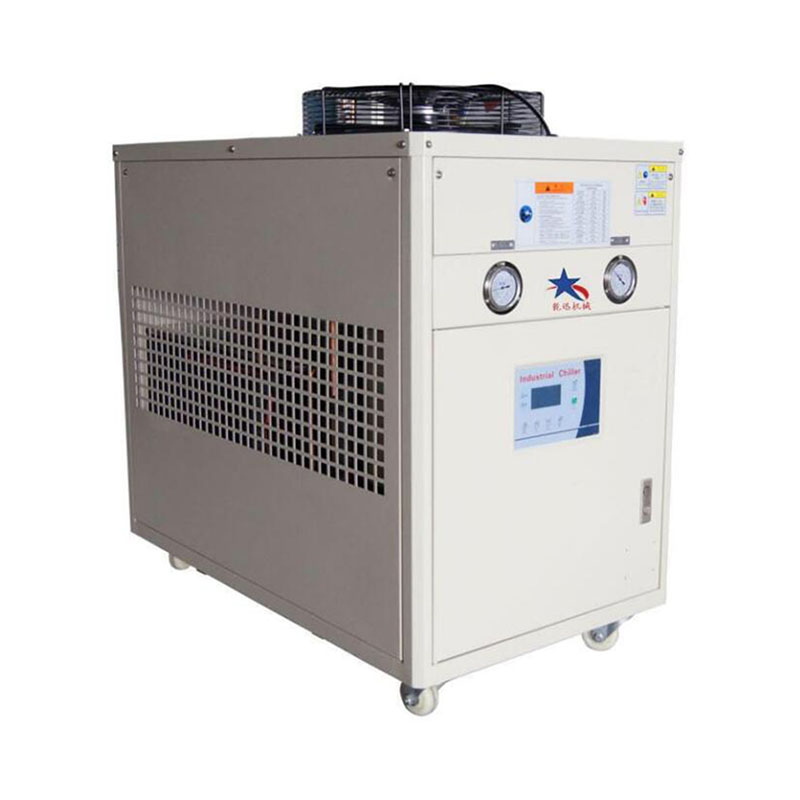
Some buyers still treat machine parts as simple consumables. That approach usually works only until quality complaints begin. In thread rolling, component quality has a direct effect on the shape, finish, repeatability, and dimensional stability of the finished thread. It also affects cycle time, operator confidence, and the frequency of adjustments during production.
If a work rest blade loses stability too early, the workpiece can shift. If a transmission-related part lacks precision, rolling force becomes less consistent. If cooling or thermal control is poor, the system may struggle to maintain the working condition needed for repeatable output. Small faults in components often create large downstream losses because thread rolling is a precision-dependent process. Buyers who only compare initial price often end up paying more through scrap, slower output, emergency replacement, and interrupted delivery schedules.
That is why experienced buyers ask a broader question. They do not just ask, “How much does this part cost?” They ask, “How will this part affect the next six months of production?” That is a smarter question, and it usually leads to better purchasing decisions.
Which Thread Rolling Machine Components deserve the closest attention
Not every part contributes equally to production results. Some components influence support, force transmission, alignment, cooling, and wear performance more directly than others. When buyers review Thread Rolling Machine Components, these categories typically deserve the closest scrutiny:
-
Work rest blades and support elements
These help stabilize the workpiece during rolling. Their surface quality, hardness, and geometry can affect thread form consistency and part positioning. -
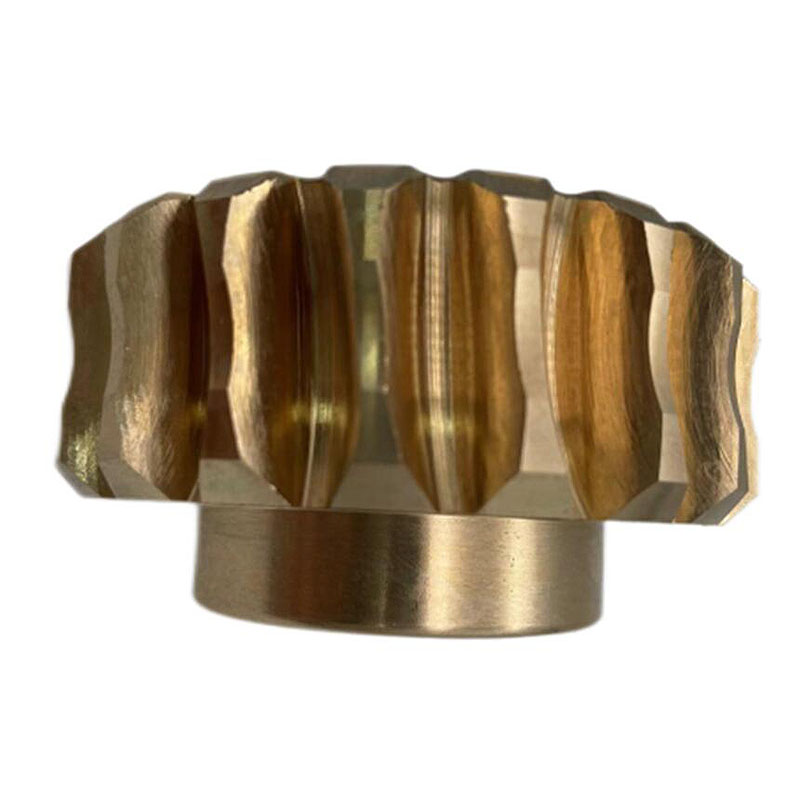
Transmission-related parts
Components involved in force transfer must maintain precision under repeated mechanical load. Poor accuracy or weak wear resistance may lead to unstable rolling behavior. -
Swing-arm or positioning structures
These are important where alignment and controlled movement influence thread formation. Weak structural integrity can affect repeatability. -
Cooling and temperature-control units
Stable operating temperature helps protect machine condition and production rhythm. Thermal fluctuation can lead to operational instability over long runs. -
High-wear consumable support parts
Fast replacement, proper fit, and consistent manufacturing quality matter because these parts are often the first to expose weak supply-chain decisions.
The point is not to fear every part. The point is to know which parts deserve technical discussion before the order is placed. That alone helps buyers avoid lazy procurement decisions dressed up as “cost control.”
What problems buyers face when components are chosen poorly
Most purchasing mistakes are not dramatic on day one. They look harmless at first. A part fits, the machine runs, production starts, and everyone assumes the job is done. Then the hidden cost begins to appear. In real operations, poor component selection often leads to these pain points:
-
Inconsistent thread quality
Variation in support, force, or alignment can produce uneven thread formation and trigger customer complaints. -
Unplanned machine stoppages
Low-durability parts may fail sooner than expected, forcing urgent replacement and disrupting schedules. -
Higher maintenance workload
Operators and technicians spend more time adjusting, inspecting, and compensating for unstable performance. -
Difficulty sourcing matching replacements
If component specifications were unclear from the start, later replacement becomes slow, confusing, and expensive. -
Hidden cost beyond purchase price
Scrap, rework, overtime, delayed shipment, and customer dissatisfaction can easily outweigh any initial savings.
Buyers dealing with these problems often realize the same thing: the issue was never “just a spare part.” It was a process reliability issue from the beginning.
What buyers usually want most
- Stable fit and compatibility
- Reliable wear life
- Clear technical communication
- Fast replacement support
- Predictable production results
How should buyers evaluate components before purchase
Good buying decisions start with better questions. A buyer does not need to be a machine designer, but a buyer does need enough clarity to avoid vague promises and generic catalog language. When evaluating Thread Rolling Machine Components, this checklist helps:
-
Confirm application fit
Ask which machine model, workpiece material, and production scenario the part is designed for. “Universal” claims are often less useful than they sound. -
Review material and wear resistance
Understand what the part is made from and why. Durability should match the intensity of the intended workload. -
Check machining precision and consistency
A single good sample is not enough. Buyers should care about batch consistency, because production lines do not run on showroom samples. -
Ask about service life expectations
The answer may vary by application, but a capable supplier should still be able to explain the expected performance range. -
Evaluate replacement convenience
Ease of installation, availability of future supply, and support for troubleshooting matter more than many procurement teams expect. -
Request technical communication, not just a quote
A supplier that only sends pricing but cannot discuss working conditions may become a problem later.
In many cases, the best suppliers are not merely selling parts. They are helping buyers avoid expensive operational mistakes. That distinction matters.
Which factors separate dependable parts from risky ones
| Evaluation Factor | Dependable Choice | Risky Choice |
|---|---|---|
| Compatibility | Matched to machine model and production use | Assumed to fit based on appearance or generic naming |
| Material Quality | Selected for wear resistance and working load | Chosen mainly for the lowest price |
| Precision | Consistent machining quality across batches | Acceptable sample but unstable repeat supply |
| Technical Support | Supplier can explain application and replacement logic | Supplier only sends a catalog and quotation |
| Long-Term Cost | Lower downtime and more predictable output | Frequent adjustments, scrap, and urgent replacement |
| Procurement Confidence | Clear specifications and communication | Unclear details and guess-based purchasing |
A part that looks cheaper on paper may become the most expensive item in the workshop once instability and lost production are included.
How better component planning improves maintenance and output
Strong purchasing decisions do not end at delivery. The best-performing factories usually treat components as part of a maintenance plan, not as random emergency purchases. This is where planning creates real value.
When buyers standardize reliable Thread Rolling Machine Components, technicians spend less time troubleshooting unpredictable failures. Operators gain more confidence in setup. Production managers can forecast replacement cycles more accurately. Purchasing teams can reduce rush orders and avoid panic buying when a line suddenly slows down.
There is also a quality advantage. Stable components help support stable process conditions. That reduces thread variation across batches and helps downstream inspection stay smoother. Over time, this consistency becomes a commercial advantage, especially for suppliers serving demanding industries where dimensional repeatability matters.
In other words, component planning is not just maintenance planning. It is production planning, quality planning, and customer-retention planning disguised as a parts decision. Industrial life is full of these annoyingly interconnected truths.
Why supplier support matters after the order is placed
Many buyers underestimate after-sales support until the first urgent replacement need appears. At that moment, speed, technical clarity, and communication quality suddenly become more important than a small difference in unit price.
A capable supplier should be able to help buyers identify the right part, clarify the intended application, and support long-term replacement needs. That matters even more when production environments vary across industries, workpiece materials, and output volumes.
DONGGUAN NERES HARDWARE MACHINERY CO.,LTD. is relevant in this conversation because buyers often prefer suppliers that understand thread machinery as a working system, not just as a list of isolated products. That broader understanding helps reduce confusion when selecting Thread Rolling Machine Components for practical industrial use.
FAQ
1. What are Thread Rolling Machine Components used for?
They support the operation, stability, positioning, cooling, and wear performance of thread rolling equipment. Their quality influences output consistency and machine reliability.
2. Why are these components so important if the machine itself is already high quality?
Even a strong machine can perform poorly if the supporting components wear too quickly, fit badly, or fail to maintain stable working conditions.
3. How can I judge whether a component is suitable for my application?
Confirm machine model, workpiece type, operating conditions, expected output, and replacement needs. A useful supplier should discuss these details clearly.
4. Is the cheapest option ever a good idea?
Sometimes, but only when compatibility, precision, and durability are still proven. A low upfront price without process stability usually becomes expensive later.
5. Which buyers should pay the most attention to component quality?
Manufacturers running continuous production, precision parts, high-volume output, or strict customer quality requirements should pay especially close attention.
6. Can better components really reduce total operating cost?
Yes. Better components can lower downtime, reduce scrap, improve consistency, and make maintenance more predictable, which often saves more than the purchase difference.
Final Thoughts
Buyers who treat Thread Rolling Machine Components as a strategic decision usually achieve better production stability than buyers who treat them as interchangeable spares. The right component choice protects quality, improves maintenance planning, and reduces hidden operational loss over time.
If you are reviewing options for thread rolling equipment parts and want a clearer path to dependable performance, now is the right time to compare more than price alone. Work with a supplier that understands production reality, communicates clearly, and helps you source the right solution from the start.
DONGGUAN NERES HARDWARE MACHINERY CO.,LTD. is ready to support your next sourcing decision with practical product insight and responsive service. Contact us today to discuss your application, reduce procurement uncertainty, and move toward more stable thread rolling performance with greater confidence.