- English
- Español
- Português
- русский
- Français
- 日本語
- Deutsch
- tiếng Việt
- Italiano
- Nederlands
- ภาษาไทย
- Polski
- 한국어
- Svenska
- magyar
- Malay
- বাংলা ভাষার
- Dansk
- Suomi
- हिन्दी
- Pilipino
- Türkçe
- Gaeilge
- العربية
- Indonesia
- Norsk
- تمل
- český
- ελληνικά
- український
- Javanese
- فارسی
- தமிழ்
- తెలుగు
- नेपाली
- Burmese
- български
- ລາວ
- Latine
- Қазақша
- Euskal
- Azərbaycan
- Slovenský jazyk
- Македонски
- Lietuvos
- Eesti Keel
- Română
- Slovenski

What Is a Ladder-Shaped Tap and Why Is It Revolutionizing High-Precision Thread Machining
Ladder-shaped taps are a new generation of high-efficiency threading tools designed to enhance chip evacuation, reduce cutting resistance, and improve thread precision in demanding machining environments. Unlike traditional taps, the ladder-step geometry distributes cutting loads progressively, improving stability and tool life. This comprehensive guide explores the structure, advantages, material compatibility, industrial applications, and selection criteria for ladder-shaped taps. Whether you operate CNC machining centers or conventional drilling systems, understanding this innovative tap design can dramatically improve your threading performance.
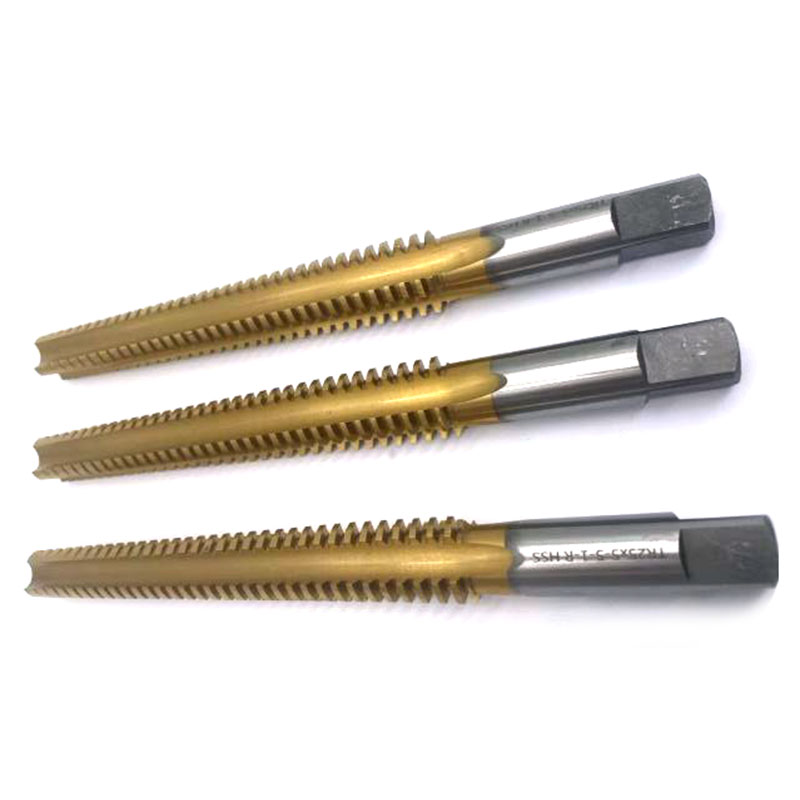
Table of Contents
- 1. What Is a Ladder-Shaped Tap?
- 2. Structural Design and Working Principle
- 3. Key Advantages Over Conventional Taps
- 4. Suitable Materials and Applications
- 5. Comparison Table: Ladder-Shaped vs Traditional Tap
- 6. How to Select the Right Ladder-Shaped Tap
- 7. Maintenance and Best Practices
- 8. Industries That Benefit Most
- 9. Frequently Asked Questions
1. What Is a Ladder-Shaped Tap?
A ladder-shaped tap is a specialized threading tool engineered with a stepped cutting geometry resembling a ladder structure. Instead of engaging the full thread profile at once, the cutting teeth are arranged in progressive stages. Each “step” removes a portion of material incrementally, reducing torque load and improving dimensional accuracy.
This advanced tap structure is particularly effective in high-precision CNC environments where tool life, stability, and repeatability are critical. Companies such as Neres have refined ladder-shaped tap designs to optimize chip flow and minimize vibration during threading operations.
2. Structural Design and Working Principle
2.1 Progressive Cutting Edges
The core innovation lies in its multi-stage tooth geometry:
- First stage: Rough material removal
- Intermediate stage: Semi-finishing shaping
- Final stage: Precision finishing
2.2 Chip Evacuation Enhancement
Because material is removed gradually, chips are smaller and easier to evacuate. This reduces clogging in blind holes and improves surface finish.
2.3 Reduced Torque Distribution
Instead of concentrating stress on the first few teeth (as in traditional taps), ladder-shaped taps distribute cutting forces evenly. This significantly lowers peak torque values.
3. Key Advantages Over Conventional Taps
- Improved Thread Accuracy – Reduced deflection ensures tighter tolerances.
- Longer Tool Life – Even stress distribution prevents premature wear.
- Lower Cutting Torque – Ideal for small or delicate workpieces.
- Enhanced Surface Finish – Progressive finishing stage improves thread smoothness.
- Reduced Breakage Risk – Particularly important in blind hole applications.
4. Suitable Materials and Applications
Ladder-shaped taps are versatile and compatible with multiple materials:
| Material Type | Performance Benefit |
|---|---|
| Carbon Steel | Improved stability and longer tool life |
| Stainless Steel | Reduced galling and smoother chip evacuation |
| Aluminum Alloys | Prevents chip adhesion |
| High-Hardness Alloy Steel | Minimizes breakage under high torque |
These taps are commonly used in:
- Automotive engine components
- Aerospace structural parts
- Precision medical equipment
- Industrial machinery manufacturing
5. Comparison: Ladder-Shaped Tap vs Traditional Tap
| Feature | Ladder-Shaped Tap | Traditional Tap |
|---|---|---|
| Cutting Method | Progressive multi-stage cutting | Full-profile cutting |
| Torque Load | Lower and evenly distributed | High initial torque spike |
| Tool Life | Extended | Moderate |
| Thread Accuracy | High precision | Standard tolerance |
| Chip Control | Superior | Average |
6. How to Select the Right Ladder-Shaped Tap
6.1 Consider Material Type
Choose coating and substrate material based on workpiece hardness.
6.2 Hole Type
- Blind holes – prioritize chip evacuation design.
- Through holes – higher speed capability acceptable.
6.3 Thread Standard
Ensure compatibility with ISO, UNC, UNF, or other thread standards required by your application.
6.4 Machine Capability
CNC machines with stable spindle control maximize ladder-shaped tap performance.
7. Maintenance and Best Practices
- Use appropriate cutting fluids.
- Monitor torque changes for early wear detection.
- Avoid excessive feed rates.
- Store taps in protective cases to prevent micro-chipping.
8. Industries That Benefit Most
Industries demanding high repeatability and minimal downtime gain the most value:
- Automotive Manufacturing
- Aerospace Engineering
- Medical Device Production
- Energy Equipment Manufacturing
Manufacturers partnering with Neres report measurable improvements in thread consistency and reduced scrap rates in mass production lines.
9. Frequently Asked Questions
Q1: Is a ladder-shaped tap suitable for high-speed machining?
Yes. Its progressive cutting structure reduces vibration and allows higher spindle speeds under controlled conditions.
Q2: Does it require special machines?
No special machine is required, but CNC systems with stable torque monitoring provide optimal results.
Q3: Can ladder-shaped taps reduce thread defects?
Absolutely. Progressive cutting reduces tearing, burr formation, and dimensional inconsistencies.
Q4: Are they cost-effective compared to standard taps?
While initial costs may be slightly higher, longer tool life and reduced scrap make them economically advantageous.
Q5: How often should they be replaced?
Replacement cycles depend on material and production volume, but torque monitoring is the best indicator of wear.
Conclusion: Why Ladder-Shaped Taps Represent the Future of Threading
Ladder-shaped taps combine engineering precision with practical efficiency. By distributing cutting loads progressively, improving chip evacuation, and enhancing thread finish quality, they address the core weaknesses of traditional tapping tools. For manufacturers seeking higher productivity, improved accuracy, and reduced operational risk, ladder-shaped taps provide a clear competitive advantage.
If you are looking to upgrade your threading performance with advanced ladder-shaped tap solutions, explore professional-grade options from Neres. Their precision manufacturing expertise ensures consistent quality and reliable performance in demanding applications.
Ready to enhance your threading efficiency and reduce production costs? Contact us today to discover how ladder-shaped taps can transform your machining operations.