- English
- Español
- Português
- русский
- Français
- 日本語
- Deutsch
- tiếng Việt
- Italiano
- Nederlands
- ภาษาไทย
- Polski
- 한국어
- Svenska
- magyar
- Malay
- বাংলা ভাষার
- Dansk
- Suomi
- हिन्दी
- Pilipino
- Türkçe
- Gaeilge
- العربية
- Indonesia
- Norsk
- تمل
- český
- ελληνικά
- український
- Javanese
- فارسی
- தமிழ்
- తెలుగు
- नेपाली
- Burmese
- български
- ລາວ
- Latine
- Қазақша
- Euskal
- Azərbaycan
- Slovenský jazyk
- Македонски
- Lietuvos
- Eesti Keel
- Română
- Slovenski

How to Check Threads with a Thread Ring Gauge or Plug Gauge
If you’ve ever faced costly rework or assembly failures due to incorrect threads, you know the frustration. As someone who works daily with precision parts, I understand that ensuring thread accuracy isn’t just a step in the process—it’s the backbone of quality and reliability. That’s why using the right Thread Gauges is non-negotiable. In this guide, I’ll walk you through a professional method for thread inspection using ring and plug gauges, and explain how our NERES tools are designed to solve these exact precision challenges.
What Tools Do You Need for Accurate Thread Inspection
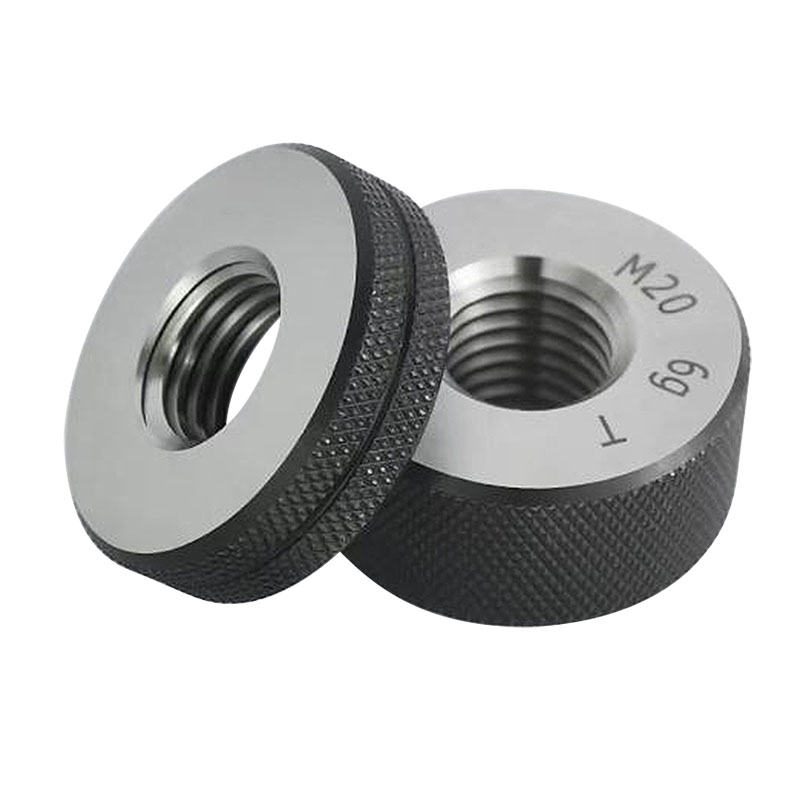
You need the correct gauges. A thread plug gauge checks internal threads (like nuts), while a thread ring gauge checks external threads (like bolts). For reliable results, your Thread Gauges must meet exact standards. At NERES, we manufacture gauges that adhere to international specifications such as ISO, ANSI, and ASME. Here’s a quick list of what makes our tools stand out:
-
Hardened and stabilized steel for long-term wear resistance.
-
Precision-ground threads with meticulously controlled pitch and angle.
-
Clear, permanent marking for size and tolerance class.
-
Full traceability with calibration certificates.
How Do You Properly Use a Thread Plug Gauge
First, ensure the internal thread is clean. Carefully insert the GO end of the plug gauge—it should enter freely up to two turns by hand under its own weight. If it binds, the thread is too tight. Then, try the NO-GO end. It should not enter more than two turns. If it does, the hole is oversize. Our NERES plug gauges provide this clear pass/fail test instantly, eliminating guesswork and reducing inspection time.
What Are the Steps for Using a Thread Ring Gauge
For external threads, start with cleanliness again. Screw the GO ring gauge onto the thread by hand without forcing it. It should spin freely for at least two full turns. Next, the NO-GO gauge should not screw on beyond two turns. For consistent results, apply only hand force—never use a wrench. Regular calibration of your Thread Gauges is critical, and NERES offers recalibration services to maintain your tools’ accuracy year after year.
What Technical Specifications Should You Look For in High-Quality Gauges
Not all Thread Gauges are created equal. Key parameters determine their reliability. Below are the core specs for our NERES precision gauges.
| Parameter | Details | NERES Standard |
|---|---|---|
| Material | Alloy Steel | GCr15 (AISI 52100 Equivalent) |
| Hardness | Surface Hardness | 58-62 HRC |
| Accuracy Grade | Per ISO 1502 | 6H for Plugs, 6g for Rings |
| Coating | Anti-Corrosion Treatment | Bright Chromium Plating |
| Temperature Stability | Designed for Use at | 20°C (68°F) Standard |
Choosing gauges with these specifications ensures your measurements are dependable. Investing in proper Thread Gauges prevents product failures and saves significant costs in the long run.
Where Can You Find Reliable and Durable Thread Inspection Tools
Your thread inspection is only as good as the tools you use. That’s why our team at NERES focuses on crafting durable, precise gauges that become a trusted part of your quality control routine. We design our Thread Gauges to address real workshop pain points—offering the consistency you need to pass audits and ship perfect parts every time.
If you’re tired of unreliable measurements and want tools that deliver peace of mind, it’s time to upgrade. Contact us today with your specifications for a prompt quote or technical consultation. Let’s discuss how NERES precision gauges can solve your inspection challenges. Reach out now—our team is ready to help you ensure every thread is perfect.