- English
- Español
- Português
- русский
- Français
- 日本語
- Deutsch
- tiếng Việt
- Italiano
- Nederlands
- ภาษาไทย
- Polski
- 한국어
- Svenska
- magyar
- Malay
- বাংলা ভাষার
- Dansk
- Suomi
- हिन्दी
- Pilipino
- Türkçe
- Gaeilge
- العربية
- Indonesia
- Norsk
- تمل
- český
- ελληνικά
- український
- Javanese
- فارسی
- தமிழ்
- తెలుగు
- नेपाली
- Burmese
- български
- ລາວ
- Latine
- Қазақша
- Euskal
- Azərbaycan
- Slovenský jazyk
- Македонски
- Lietuvos
- Eesti Keel
- Română
- Slovenski

What Are the Benefits of Using Thread Rolling Dies Over Thread Cutting
If you’re involved in manufacturing or engineering, you’ve likely faced a critical question how do you produce stronger, more precise, and cost-effective threaded parts? For many, the immediate thought might be traditional thread cutting. However, a superior alternative exists thread rolling dies. At NERES, we specialize in advanced cold-forming solutions, and we consistently see how switching to thread rolling dies transforms production outcomes for our clients. But what makes this process so advantageous? Let’s explore the key benefits that address common industry pain points.
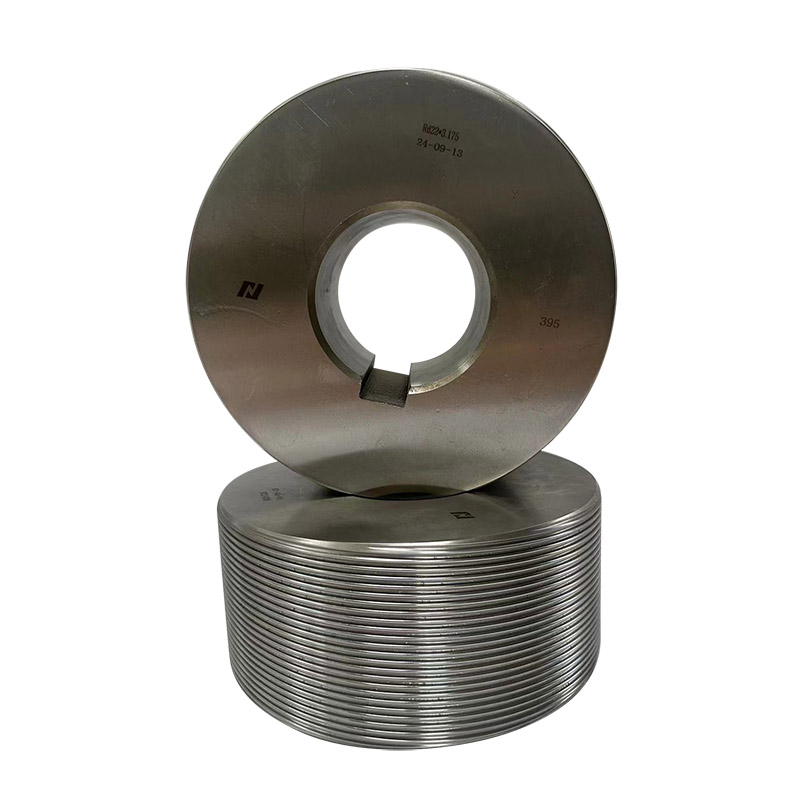
Why Does Thread Rolling Create Stronger Threads
Unlike cutting, which removes material and severs the grain structure, thread rolling is a cold-forming process. It displaces and molds the workpiece material under high pressure, creating threads with a continuous, unbroken grain flow that follows the thread contour. This fundamental difference delivers immense strength benefits. Personally, in our testing at NERES, we’ve observed rolled threads exhibit far superior fatigue resistance and shear strength often 20-30% higher than cut threads. This means components last longer and withstand greater stress, a crucial factor for safety-critical applications in automotive or aerospace.
How Do Thread Rolling Dies Improve Production Efficiency and Cost
Efficiency isn’t just about speed it’s about smarter resource use. Here’s where thread rolling dies shine:
-
Faster Cycle Times: The rolling process is significantly quicker than cutting, allowing for higher output.
-
Material Savings: No material is wasted as chips, leading to direct cost savings on raw materials.
-
Tool Longevity: High-quality NERES rolling dies outlast cutting tools dramatically, reducing downtime and tooling costs.
-
Eliminated Secondary Operations: The smooth, work-hardened surface often eliminates the need for deburring or finishing.
Consider this comparison based on our standard NERES product parameters:
| Feature | Thread Cutting | NERES Thread Rolling Dies |
|---|---|---|
| Material Utilization | Wastage (Chips) | 100% Utilization |
| Surface Finish | Machined Marks | Smooth, Burnished |
| Thread Strength | Weakened Grain Structure | Enhanced Work-Hardened |
| Typical Tool Life | Lower (Edges Dull) | Very High (100,000s of parts) |
What Technical Specifications Should You Look for in Thread Rolling Dies
Choosing the right tool is paramount. Our engineers at NERES focus on precise parameters to ensure performance and longevity. Here are the core specs we optimize in our thread rolling dies:
-
Material: Premium high-speed steel (HSS) or powder metallurgy steel for exceptional wear resistance.
-
Hardness: Consistently heat-treated to 62-64 HRC for durability.
-
Precision Grinding: Thread profile accuracy within 0.002mm to guarantee uniform, in-spec threads.
-
Surface Treatment: Optional coatings like TiN or TiCN to further reduce friction and increase tool life.
-
Design: Custom or standard designs tailored for specific machines (flat, cylindrical) and materials.
Investing in dies with these specifications, like those from NERES, ensures consistent quality and reduces unexpected production halts.
Is the Thread Rolling Process Suitable for All Materials
A common concern we hear is about material limitations. While ductile materials like low to medium-carbon steels, aluminum, and stainless steels are ideal, the range is broad. The key is the material’s capacity to cold-flow. Our team at NERES can provide specific recommendations based on your alloy and hardness. The versatility of modern thread rolling dies continues to expand, solving threading challenges across industries.
The transition from cutting to rolling is more than a process change it’s a strategic upgrade in quality, strength, and total cost of ownership. The initial investment in high-quality thread rolling dies pays dividends through every production run. If you’re ready to solve your threading challenges and elevate your manufacturing standards, we invite you to take the next step.
Contact us today at NERES to discuss your application. Our engineering team is ready to provide a tailored solution and a detailed quotation. Let’s build stronger threads together